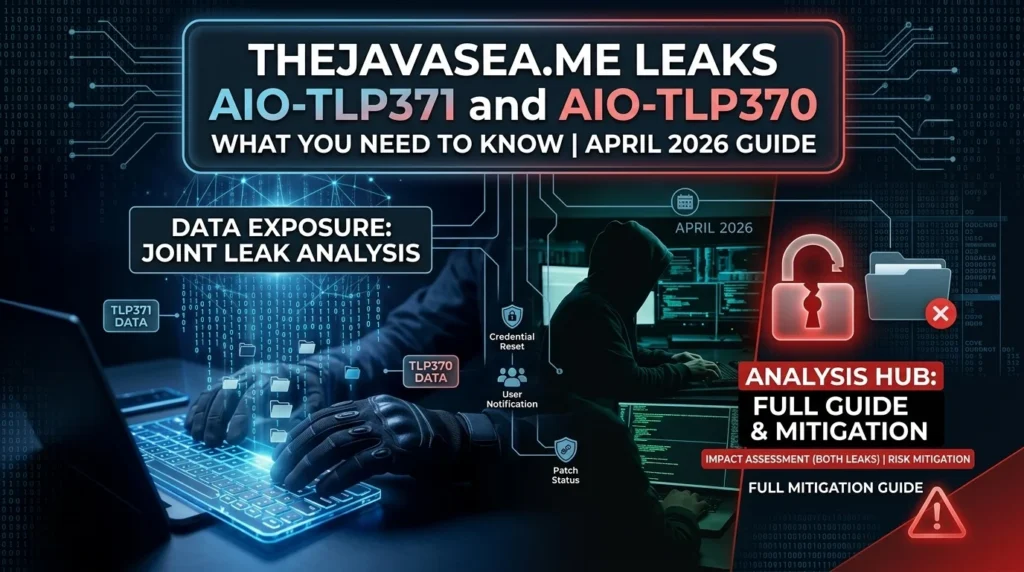

In the ever-evolving world of cybersecurity, leaks related to technology and digital products have become a common yet concerning occurrence. One of the most talked-about sources of such leaks is thejavasea.me, a site known for releasing a series of leaks that have raised many eyebrows within the tech community. Specifically, the thejavasea.me leaks aio‑tlp371 and thejavasea.me leaks aio‑tlp370 have garnered significant attention. In this article, we will explore what these leaks are, their implications, and the potential risks and benefits they present to both users and cybersecurity professionals.
What is Thejavasea.me?
Before diving into the specifics of the leaks, it’s important to understand what thejavasea.me is. The site has become notorious for leaking information, primarily focusing on software exploits and cybersecurity vulnerabilities. These leaks often include tools used to identify and exploit system weaknesses, and have contributed significantly to the knowledge of both cybersecurity professionals and malicious actors. Thejavasea.me has become a central hub for these leaks, often featuring software known as AIO-TLP, a collection of tools designed for a wide range of cyber operations. The most recent leaks, thejavasea.me leaks aio‑tlp371 and thejavasea.me leaks aio‑tlp370, have intensified debate around the ethics and risks of public access to such sensitive data.
Understanding the AIO-TLP370 Leak
The AIO-TLP370 leak is one of the most significant leaks from thejavasea.me in recent years. It is part of the AIO-TLP (All-In-One Tool Leak) series, which includes bundles of exploit tools used to target vulnerabilities in various systems. The AIO-TLP370 is a collection of these tools, featuring exploits that target systems from older to moderately recent software versions. This leak is significant because it contains multiple vulnerabilities that could allow cybercriminals to infiltrate systems and potentially steal sensitive data or disrupt operations.
What sets AIO-TLP370 apart from previous leaks is the sheer volume and variety of exploits contained within it. These exploits are geared toward targeting common security flaws in widely used systems, making it an attractive resource for both cybersecurity researchers and malicious actors. The leak was particularly notable for its inclusion of exploits capable of bypassing popular security measures, such as firewalls and anti-virus programs. While the AIO-TLP370 can be used to enhance security systems by identifying weaknesses, it also represents a major security risk when used by the wrong individuals.
What’s New in AIO-TLP371?
The AIO-TLP371 leak is the successor to AIO-TLP370 and brings several important improvements and updates. The AIO-TLP371 features enhanced exploits for more recent vulnerabilities, targeting software that was previously secure against earlier attacks. The addition of more advanced tools makes AIO-TLP371 a more potent and versatile resource for cybersecurity researchers, but also increases its potential for misuse by cybercriminals.
One of the primary differences between AIO-TLP371 and AIO-TLP370 is the inclusion of more sophisticated payloads and exploitation techniques. AIO-TLP371 introduces tools that are capable of bypassing modern firewalls, intrusion detection systems (IDS), and other security measures that were previously effective against older tools. This makes AIO-TLP371 significantly more dangerous in the hands of malicious users, as it can target more recent software and take advantage of vulnerabilities that were previously difficult to exploit.
In addition to its improved capabilities, AIO-TLP371 also includes updated exploits designed for modern operating systems, which are essential for staying relevant in today’s fast-paced digital world. The update includes specific tools for bypassing protections in commonly used applications, such as browsers, email clients, and communication software. The AIO-TLP371 leak is thus a direct response to the increasing sophistication of security measures implemented by organizations worldwide.
A Comparison of AIO-TLP371 and AIO-TLP370
When comparing thejavasea.me leaks aio‑tlp371 with thejavasea.me leaks aio‑tlp370, it becomes evident that AIO-TLP371 is a more advanced and dangerous version. Both versions share similarities in their general structure and the types of exploits they provide, but AIO-TLP371 is more refined and includes more up-to-date vulnerabilities. Key differences include:
- Payload Efficiency: The payloads in AIO-TLP371 are significantly more efficient, able to compromise systems faster and with fewer traces left behind. This makes it harder for security professionals to detect the attack.
- Bypassing Capabilities: AIO-TLP371 is equipped with more powerful bypass mechanisms for modern security systems, including firewalls and IDS. These mechanisms were less effective in AIO-TLP370.
- Scope of Exploits: The exploits in AIO-TLP371 target a wider range of modern operating systems, applications, and security configurations, including zero-day vulnerabilities that were not present in AIO-TLP370.
Despite the improvements in AIO-TLP371, both versions highlight the same fundamental issue—the ease with which vulnerabilities can be exploited if the tools fall into the wrong hands. The existence of these leaks underscores the necessity of constant vigilance in the cybersecurity field, where both offense and defense must evolve rapidly.
The Risks and Ethical Concerns of Leaked Materials
While some argue that leaks like the thejavasea.me leaks aio‑tlp371 and thejavasea.me leaks aio‑tlp370 provide valuable insight into system vulnerabilities, they also raise significant ethical and legal concerns. Leaked materials, especially those involving exploits and sensitive data, can be used maliciously. Cybercriminals who gain access to such leaks can wreak havoc on businesses, governments, and individuals, leading to financial losses, identity theft, and system breaches.
In addition to the practical risks, the ethical implications of distributing exploit tools cannot be ignored. Leaking such tools can be seen as promoting illegal activity or enabling cybercrime. It brings into question the moral responsibility of platforms like thejavasea.me, which make these leaks publicly available. While some might argue that such leaks contribute to transparency and research, they can equally be a catalyst for misuse.
Furthermore, the distribution of these leaks poses legal risks. Using or sharing exploit tools can lead to criminal charges depending on jurisdiction. The legal ramifications of engaging with such leaks are serious, and anyone who accesses or distributes these tools should be fully aware of the potential consequences.
Best Practices for Engaging with Leaked Materials
For those in the cybersecurity field, it is crucial to engage with leaked materials responsibly. While analyzing leaks can be informative, it’s important to remember the potential consequences of sharing or using such tools without proper authorization. Here are some best practices:
- Use Leaks for Research or Education: Cybersecurity professionals should focus on using leaked materials for educational purposes or to enhance security measures, rather than exploiting the vulnerabilities themselves.
- Keep Systems Updated: The thejavasea.me leaks aio‑tlp371 and thejavasea.me leaks aio‑tlp370 highlight the importance of maintaining updated systems. Patching vulnerabilities and staying current with security updates can significantly reduce the risk posed by these tools.
- Follow Ethical Guidelines: Use the information gained from leaks to strengthen security and prevent attacks, rather than using it for malicious purposes.
- Report Vulnerabilities: If you discover new vulnerabilities through these leaks, report them responsibly to the affected companies or organizations. Responsible disclosure is crucial in mitigating potential risks.
Frequently Asked Questions
What is the thejavasea.me leaks aio‑tlp371?
The thejavasea.me leaks aio‑tlp371 refers to a series of exploit tools leaked by thejavasea.me, specifically designed to target recent vulnerabilities in various software and systems. It is an updated version of previous leaks in the AIO-TLP (All-In-One Tool Leak) series, with enhanced payloads and bypass techniques to target modern security systems.
How is aio‑tlp371 different from aio‑tlp370?
While both aio‑tlp371 and aio‑tlp370 contain similar types of exploits, aio‑tlp371 introduces more advanced capabilities. These include improved payload efficiency, better bypass techniques for modern firewalls and intrusion detection systems, and exploits for more recent software vulnerabilities. AIO-TLP371 is a more sophisticated and potent tool compared to its predecessor, AIO-TLP370.
Why should I be concerned about these leaks?
Thejavasea.me leaks aio‑tlp371 and aio‑tlp370 are concerning because they contain powerful exploit tools that can be used to compromise systems. While cybersecurity professionals may use them for research, they can also be weaponized by malicious actors to target vulnerabilities in businesses, governments, or personal systems. Using or distributing these leaks can have severe legal and ethical implications.
Can these leaks be used for cybersecurity research?
Yes, thejavasea.me leaks aio‑tlp371 and aio‑tlp370 can be valuable resources for cybersecurity research. Security professionals use them to understand vulnerabilities and devise better defense strategies. However, it’s essential to ensure that the leaks are only used in controlled, ethical, and legal contexts, such as for research or defensive purposes only.
Are these leaks legal?
While accessing these leaks may not be illegal in all cases, using the exploits or distributing them can be considered illegal in many jurisdictions. Using leaked exploit tools for malicious activities, such as hacking or cyberattacks, is strictly prohibited and can result in severe legal consequences. If you’re using these tools for research, always ensure you’re following the proper ethical and legal guidelines.
How can I protect my systems from the vulnerabilities exposed by these leaks?
The best way to protect your system from vulnerabilities exposed by the thejavasea.me leaks aio‑tlp371 and aio‑tlp370 is by keeping all software up to date with the latest security patches. Regularly update your firewall, antivirus software, and other security tools to protect against exploits. Additionally, always apply updates for operating systems and applications as soon as they are released to prevent these types of vulnerabilities from being exploited.
What should I do if I discover a vulnerability similar to those in the leaks?
If you discover a vulnerability similar to those in the thejavasea.me leaks aio‑tlp371 or aio‑tlp370, it’s crucial to report it responsibly. Contact the software or system vendor to disclose the vulnerability. Many companies offer a responsible disclosure program where they reward security researchers for reporting issues. This helps to ensure that the vulnerability is addressed before malicious actors can exploit it.
Are there any ethical concerns with the thejavasea.me leaks aio‑tlp371 and aio‑tlp370?
Yes, there are significant ethical concerns surrounding the distribution of exploit tools like thejavasea.me leaks aio‑tlp371 and aio‑tlp370. While some argue that these leaks provide valuable information for research, others contend that releasing such tools can encourage cybercriminal activity. Platforms like thejavasea.me that distribute these leaks are often criticized for promoting illegal behavior, and users should exercise caution and ensure they follow ethical guidelines when handling such materials.
How can cybersecurity professionals use these leaks responsibly?
Cybersecurity professionals should use thejavasea.me leaks aio‑tlp371 and aio‑tlp370 strictly for educational purposes, research, or system defense. It’s important to avoid using or sharing the exploit tools in any malicious way. By analyzing these leaks, security experts can better understand how attacks are carried out and improve security measures to defend against them. Always ensure that any work with leaked materials adheres to the laws and ethical standards of your industry.
What should I do if I encounter a website distributing leaked materials like thejavasea.me?
If you encounter a website or platform distributing leaked materials, such as thejavasea.me, it’s best to avoid engaging with it. Distributing exploit tools is illegal in many countries, and accessing them could expose you to legal risks. If you come across such websites, you can report them to relevant authorities or organizations that specialize in cybercrime and digital security.
Conclusion: The Importance of Awareness and Vigilance
In conclusion, the thejavasea.me leaks aio‑tlp371 and thejavasea.me leaks aio‑tlp370 represent both a challenge and an opportunity for the cybersecurity community. While these leaks provide valuable insight into vulnerabilities and the methods used by cybercriminals, they also raise serious concerns about the ethical and legal implications of such leaks. As the digital landscape evolves, so too must the practices and strategies employed to defend against malicious actors.
Both cybersecurity professionals and general users must stay vigilant, use the knowledge gained from leaks responsibly, and understand the broader implications of such information being made public. The ongoing battle between cybersecurity defenders and attackers will continue to shape the future of digital security, and it is imperative that everyone involved remains aware of the risks and ethical considerations at play.